Refinancing your mortgage in 2025 can be one of the smartest financial moves you make, if you know how to do it right. With interest rates shifting, market dynamics evolving, and homeowners looking for ways to save money or tap into equity, refinancing is more relevant than ever.
Whether you’re aiming for a lower monthly payment, a shorter loan term, or cash in hand for renovations or debt consolidation, this guide will walk you through the entire refinance process step-by-step.
Let’s break it down in plain language with expert-level clarity.
What Does “Refinancing a Mortgage” Mean?
Refinancing simply means replacing your existing mortgage with a new one, usually with better terms. It can help you:
- Reduce your interest rate
- Lower your monthly payments
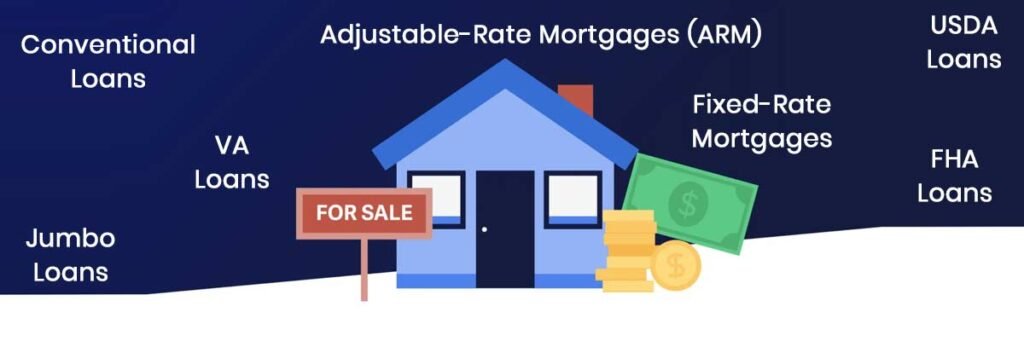
- Change your loan type (e.g., from ARM to fixed)
- Access equity with a cash-out refinance
- Pay off your loan faster by switching to a shorter term
Think of it like upgrading your old mortgage to a newer, smarter version.
Why Homeowners Refinance in 2025
Here are the top reasons homeowners are refinancing this year:
-
Interest Rate Drops
If you locked in a mortgage at 6.5% and the market offers 5.25% in 2025, refinancing could save thousands over the life of your loan. -
Improved Credit Score
Credit score got a glow-up? You may now qualify for a much better rate. -
Switch Loan Types
Adjustable-rate mortgage (ARM) scaring you with rate hikes? Switch to a fixed-rate loan for peace of mind. -
Cash-Out Needs
Need cash for home improvements, tuition, or debt? A cash-out refinance lets you tap into your home’s equity. -
Change in Financial Goals
Want to own your home sooner? Refinance from a 30-year to a 15-year loan.
Types of Mortgage Refinancing
- Rate-and-Term Refinance
This is the most common refinance. You keep your loan balance but adjust:
- Interest rate
- Loan term
- Monthly payment
Perfect for those who just want better terms without cashing out.
- Cash-Out Refinance
You take out a new, larger loan and receive the difference in cash. For example:
- Home value: $400,000
- Current mortgage: $250,000
- New mortgage: $300,000 → You get $50,000 in cash
Note: You’ll need decent equity and a good credit score to qualify.
- Streamline Refinance
Available for FHA, VA, or USDA loans. These offer:
- Limited documentation
- No appraisal
- Fast processing
Great if your income or home value has changed but you still want to refinance.
Should You Refinance in 2025?
Ask yourself:
- Will I stay in this home long enough to benefit from the refi?
- Is the new rate at least 0.5%–1% lower than my current one?
- Can I recover the closing costs in under 3–5 years?
- Am I comfortable resetting the loan term?
If the answers lean toward “yes,” refinancing could make financial sense.
What’s New in 2025: Refinance Trends to Watch
- Digital Lending on Steroids: Thanks to AI and eClosings, refinancing is faster than ever.
- Rate Volatility: Post-2024 election and inflation cooling have created rate swings, watch for dips.
- Equity Boom: Home values remain high in many markets, making cash-out refis popular.
Step-by-Step: How to Refinance Your Mortgage in 2025
Here’s your simple, no-fluff refinance roadmap:
- Step 1: Set Your Goal
Know your “why” before refinancing. Are you:
- Lowering payments?
- Tapping into equity?
- Switching loan types?
- Paying off sooner?
Your goal determines the type of refi and lender you choose.
- Step 2: Check Your Credit & Finances
Lenders will assess:
- Credit score (aim for 620+; 740+ is ideal)
- Debt-to-income ratio (keep it under 43%)
- Employment and income stability
- Home equity (usually need 20% for cash-out)
Tip: Use free tools or ask FasterMortgage for a soft pull estimate before applying.
- Step 3: Compare Lenders (Hint: Start with FasterMortgage)
Don’t settle for the first offer. Compare:
- Interest rates
- Annual Percentage Rate (APR)
- Closing costs
- Lender fees
- Customer service reviews
Tip: Some lenders offer “no-closing-cost refinance” deals, ask if it’s right for your situation.
- Step 4: Apply for the Loan
You’ll need to submit:
- Proof of income (W-2s, pay stubs, tax returns)
- Asset statements (bank, retirement)
- Current mortgage details
- Homeowner’s insurance
With FasterMortgage, most of this process can be done digitally and securely—no paper trails or endless emails.
- Step 5: Lock in Your Rate
Once approved, you can “lock” your interest rate to protect it from market changes (usually valid for 30–60 days).
- Step 6: Home Appraisal (Sometimes Skipped)
Your lender may require a new appraisal to determine your home’s current value. If values are up, you may gain more equity = better rates.
For FHA/VA streamline refis, you may skip this step.
For FHA/VA streamline refis, you may skip this step.
- Step 7: Underwriting & Closing
The lender will verify everything and finalize terms.
Once approved, you’ll sign the new documents—either in person or with eClosing options (many lenders now support this in 2025).After closing, your old loan is paid off and the new one begins.
Once approved, you’ll sign the new documents—either in person or with eClosing options (many lenders now support this in 2025).After closing, your old loan is paid off and the new one begins.
Refinance Costs in 2025
Expect to pay:
- 2% to 5% of your loan amount in closing costs
- Appraisal: $300–$500
- Title services: $500–$1,000
- Lender fees: Varies
- Government recording fees
Ask your lender for a Loan Estimate (LE) upfront to avoid surprises.
How Long Until You Break Even?
Use a refinance calculator to figure out your break-even point.
Example:
- Refi costs: $4,000
- Monthly savings: $200
- Break-even = 20 months
If you plan to stay in the home longer than that, refinancing could pay off nicely.
When Not to Refinance
Refinancing might not be worth it if:
- You're moving in <2 years
- You’ll reset your loan to 30 years again (unless that’s your goal)
- Closing costs outweigh savings
- You have prepayment penalties on your current mortgage
Quick Refi Checklist (2025 Edition)
- Check your credit
- Clarify your goal
- Estimate home value
- Compare 3+ lenders
- Calculate break-even point
- Ask about no-closing-cost options
- Lock your rate smartly
- Read the fine print